
Beginning October 19, 2025, four participants will live for 378 days inside a 1,700-square-foot Mars simulation. Ross Elder, Ellen Ellis, Matthew Montgomery, and James Spicer will call the Mars Dune Alpha habitat home at NASA’s Johnson Space Center in Houston. This effort is part of NASA’s Crew Health and Performance Exploration Analog (CHAPEA), which examines how people adapt to isolation, limited resources, and the challenges of a Mars expedition.
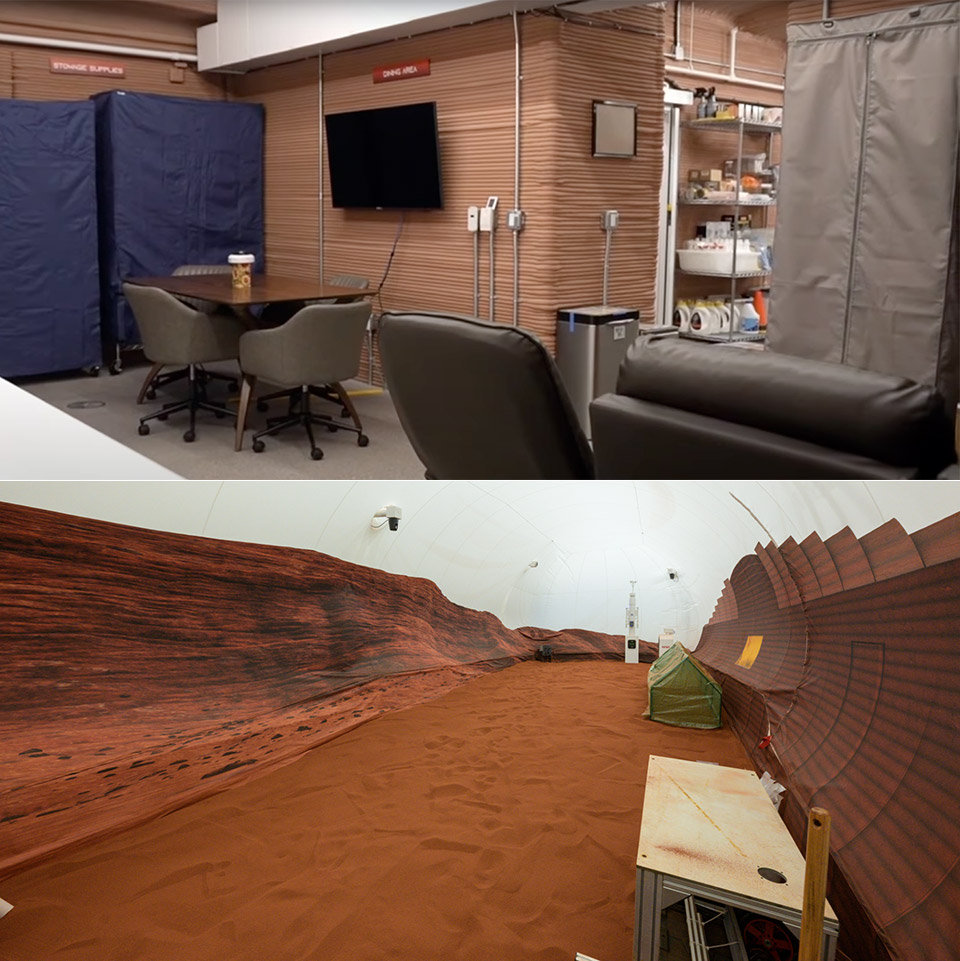
The 3D printed habitat is designed to replicate the realities of a Mars mission. The crew will deal with communication delays, unexpected equipment breakdowns, and restricted supplies. They’ll take part in simulated surface walks, cultivate crops, operate robotic systems, and test advanced technologies for long-duration space travel, including water systems and medical devices.
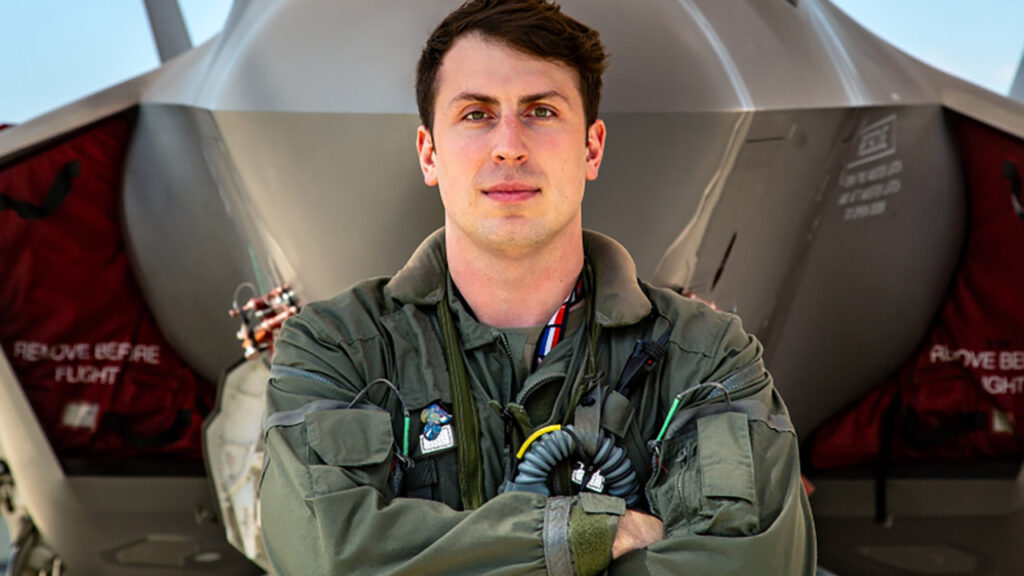
Mission commander Ross Elder, an Air Force test pilot, brings over 1,800 flight hours, including 200 in combat, with experience flying aircraft such as the F-35 and F-15. His background makes him well prepared to lead the team through unpredictable scenarios.
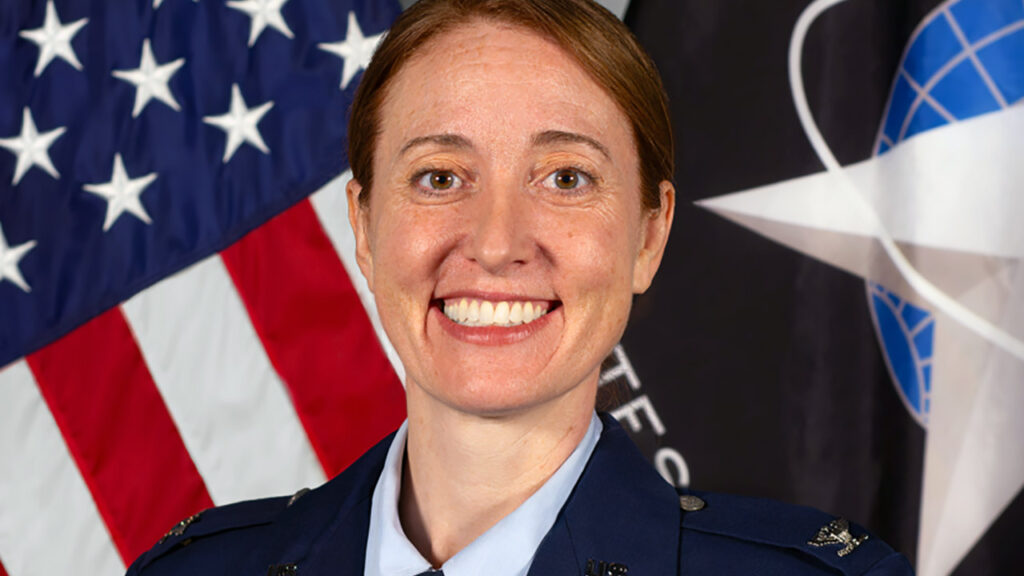
Serving as medical officer, Space Force Colonel Ellen Ellis has a strong foundation in systems engineering and oversees the development of data centers at the National Reconnaissance Office. With four master’s degrees, including one in emergency and disaster management, she is responsible for addressing medical issues and maintaining crew health.
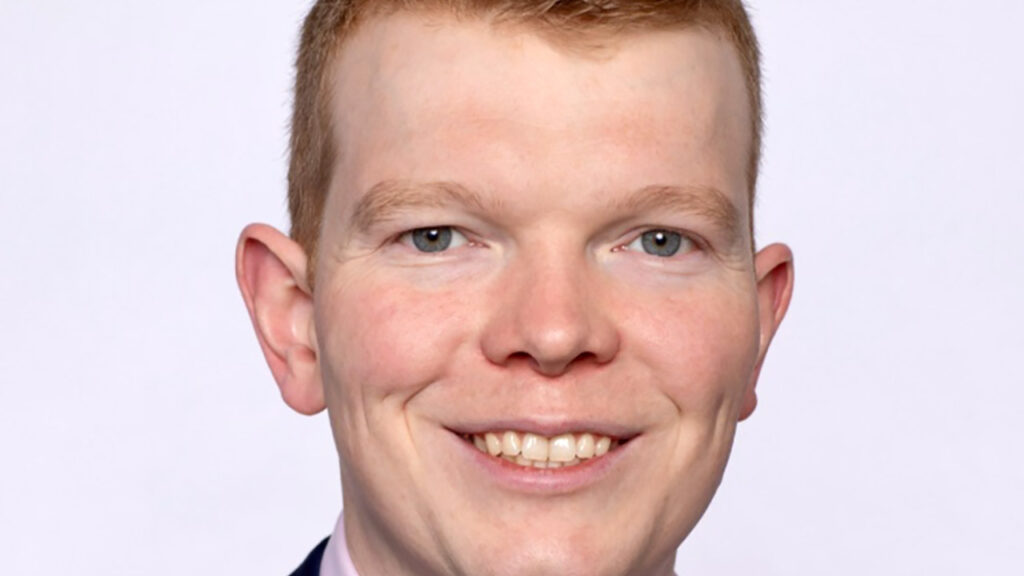
Science officer Matthew Montgomery comes with expertise in hardware design and startup innovation. His work in robotics and controlled agriculture will directly support the team’s efforts to grow food within the habitat.

Flight engineer James Spicer adds experience in satellite communications and spacecraft systems. Having developed relay networks and tested navigation tools, he will manage much of the habitat’s technical infrastructure.
NASA launched the first CHAPEA mission in July 2024. By continuing with these intensive trials, the agency aims to create a clear framework for future Mars exploration. According to project scientist Sara Whiting, these simulations provide vital insight into the tools and practices that can safeguard and sustain astronauts on real missions.
Life inside the habitat will combine everyday tasks with critical experiments. The team will maintain a vegetable garden, conduct robotic operations, and perform practice spacewalks in a Mars-like environment. They will also test deep space technology, including diagnostic equipment that could allow astronauts to manage health concerns without relying on Earth.